
 Female HSDD Treatment: Understanding Low Sex Drive for Women

Most people tend to underestimate the actual number of women who experience low sexual desire because they misunderstand the condition. Clinicians use the term HSDD, which stands for Hypoactive Sexual Desire Disorder, to describe a condition where individuals experience ongoing sexual desire loss that results in personal distress and relationship difficulties. Female HSDD treatment initiates with recognizing the fact that it is a persistent pattern of low sex drive for women rather than a brief dip in interest. The state of disinterest experienced by women is not temporary. The behavior establishes a permanent pattern that medical personnel use to identify hidden psychological, biological, and emotional medical conditions.
Why Does Female HSDD Treatment Matter?
HSDD in women exists as a medical condition that manifests through three primary symptoms. The first symptom involves persistent low sexual desire, which continues throughout an extended period. The second symptom involves women experiencing distress due to the lack of sexual desire. The third symptom is women experiencing a loss of sexual desire without any situational cause, for instance, short-term stress.
It is crucial to understand these symptoms since female HSDD treatment relies on precise identification of the underlying condition/conditions rather than assuming that all low libido is the same.
A proper explanation of the term HSDD requires people to understand that it is not just low libido. Libido can alter naturally; however, in the case of HSDD, females experience continuous low sexual desire, which becomes disruptive to their daily life.
What Contributes to Low Sex Drive for Women?
In most cases, there is not a single factor that contributes to HSDD. Persistent low sex drive for women develops through a process that combines physical, emotional, and lifestyle factors that accumulate as time goes on. Sexual desire is something that is highly sensitive to external life circumstances and internal mental states. It is the reason why it happens slowly as the build-up continues, rather than as an overnight condition.
Psychological Factors
There are a number of psychological factors that can lead to HSDD. These include depression, anxiety, stress, and/or unresolved relationship conflicts. Sexual desire is one of the first few systems that goes dormant when there is one of the above things going on. It has been observed that people need mental space for intimacy to develop. And when that is taken away, it manifests itself through a lack of sexual desire, but unfortunately, it is often misunderstood as a lack of attraction.
Relationship Factors
Desire is often less diminished by physical factors than by poor communication, emotional distance, lack of intimacy, or resentment. Just like in the case of psychological factors, the sexual desire system tends to go down when the connection between partners feels strained or imbalanced. When connection feels off or imbalanced, the body often responds by decreasing sexual responsiveness. Even mild, ongoing strain or emotional invisibility can dampen your libido, which is why relationship dynamics are often an important part of female HSDD treatment.
Physical and Hormonal Factors
Sexual desire can also be altered by hormonal variations, chronic fatigue, insomnia, and certain medications. Hormones, medication, sleep problems, and chronic fatigue can all affect your sex drive. Alterations in female hormones like estrogen, testosterone, or thyroid function may contribute to lower libido. On the other hand, side effects of medication or ongoing restlessness can dampen sexual responsiveness in even healthy females.
Lifestyle Load
Even if you are attracted to someone, when stress piles up and you’re running on empty, it’s tough for your body to care about sex. Life gets overwhelming; your mind feels crowded. This is when the body shifts gears, focusing more on rest and just getting through the day. That’s why your sex drive drops off until things calm down and you finally get a break.
Female HSDD Treatment: What Actually Helps
In the majority of cases, treatment for diminished female sexual desire is never an instantaneous process. It depends heavily on the cause that resulted in it in the first place. For some, it may be mental pressure or emotional stress; for others, it may be associated with other factors such as the nature of the relationship or overall physical well-being. Hence, effective treatment in reviving sex drive for women depends on addressing the root cause rather than “forcing” desire.
Psychological Support
In a wide majority of cases, therapy is the first form of treatment since sexual urge is highly dependent on the emotional and psychological state. The goal is to minimize fears relating to sex, enhance emotional understanding, and overcome any psychological problems that might be causing sexual arousal problems. Therapy can help deal with issues such as over-analyzing, emotional numbing, or pressure related to sexual performance. In the meantime, comfort and ease around intimacy are slowly rebuilt. This dual approach is one of the reasons why therapy becomes an important component of female HSDD treatment in most cases.
Relationship Repair
In most instances, there may not be an actual absence of desire; rather, it is hindered by disconnection, emotional distance, and/or unresolved conflict. Renewed emotional connection, increased communication, and enhanced trust can make a big difference in bringing the sexual desire back. Once there is a sense of safety and connection in relationships, desire comes back naturally without having to somehow “force” it.
Medical Evaluation
Medical evaluation becomes necessary in cases where the signs point to some sort of biological factors. This might involve looking into hormonal issues, possible side effects from prescribed drugs, and the person’s overall physical well-being in general. Certain medical conditions like thyroid imbalance, post-partum alterations, or drug-induced loss of libido are most likely to be considered.
Lifestyle Stabilization
People even underestimate the extent to which a lack of sleep, stress levels, and the ability to recover emotionally play a role in sexual drive. If the body is constantly stressed or not getting enough sleep, sex drive goes down as a defense mechanism. When you are already barely making it through the day, sex is often not at the top of the brain’s to-do list. Establishing healthy habits, ensuring a good rest, and reducing stress can help restore balance and gradually improve sex drive for women.
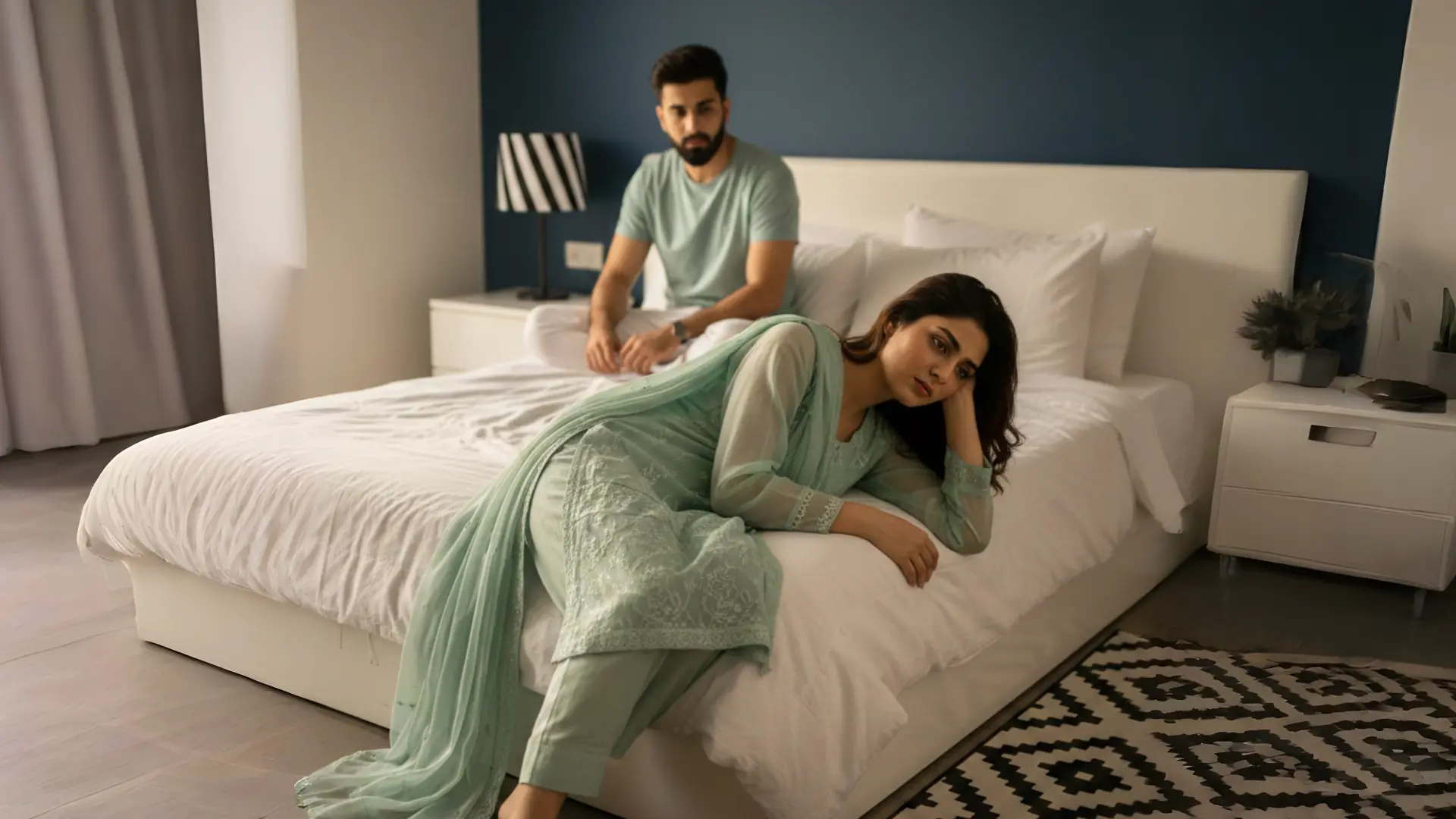
Is Low Sex Drive for Women Always a Problem?
No. In many cases, it is not necessarily a problem. A decreased interest in sex does not necessitate a psychological or medical condition. It only becomes an issue in certain circumstances when it begins to influence the overall well-being of the person or the relationship they are in.
Low sexual desire is considered relevant if it:
- Results in any personal discomfort or annoyance
- Creates tension or disputes in a relationship
- Is perceived as a significant alteration from the baseline of a person
Apart from these cases, temporary fluctuations in sexual desire are perfectly normal and should not be considered an issue that needs to be fixed.
Female HSDD Treatment: Final Insight
It is important to note that sex drive for women is not a “switch” that turns off or on; rather, it is delicate, adaptable, and contextually bound. If the drive decreases, it is usually an indication of ongoing psychological, emotional, physical, or relationship issues. It does not mean that the sexual desire has disappeared forever. Once the underlying issues are fixed, either through therapy, medical intervention, or a combination of both, the desire reappears naturally. In the majority of cases, this is the ultimate aim of female HSDD treatment.
Author: Dr Tahira Rubab Hafeez
Call for appointments at +923111714470